Navigating Congenital Muscular Dystrophy: A Pediatric Orthopedic Guide for Families
Nov 02, 2026
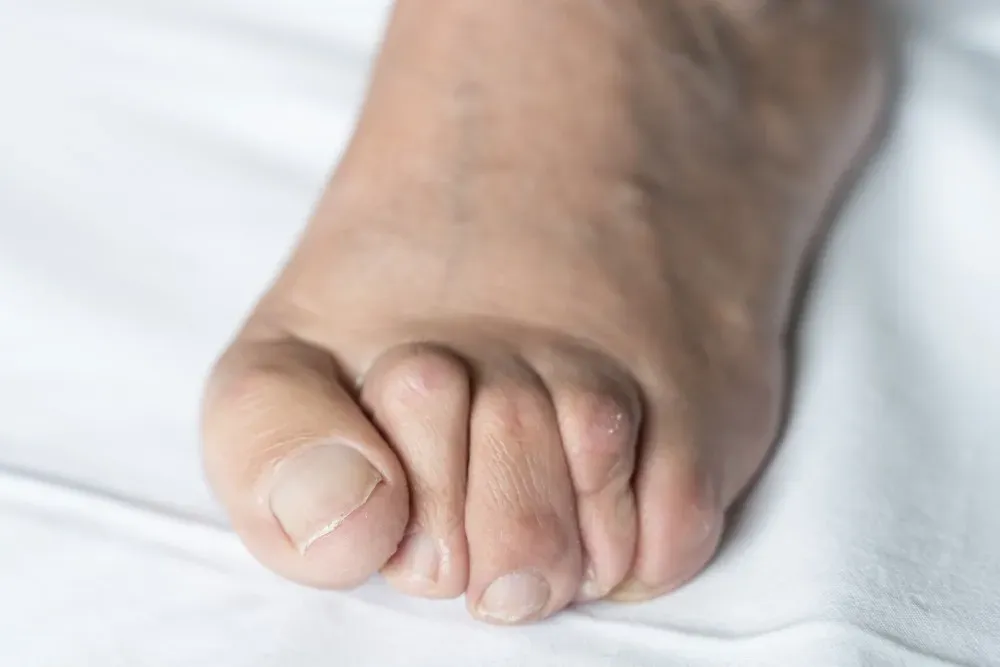
Finding out your child has congenital muscular dystrophy (CMD) brings many questions. CMD is a group of genetic muscle conditions present at birth. It causes muscle weakness and joint tightness.
At Pediatric Orthopedics of Nevada in Las Vegas, NV, we understand your worries. Dr. David Stewart specializes in caring for children with congenital conditions. We focus on protecting your child's mobility and comfort. Our team helps you navigate every step of this journey. We prioritize conservative, non-surgical treatments whenever possible.
Because CMD is rare, families need clear guidance. The American Academy of Neurology published clinical guidelines for CMD in 2015. This landmark publication remains the active clinical standard today.
The guideline recommends early referral to orthopedic and mobility specialists. This team approach helps maximize your child's physical function. It also helps slow down joint and spine complications. At our practice, we use these guidelines to build a safe, supportive care path. Our goal is to enhance your child's daily quality of life.
There is no single roadmap for CMD. The condition affects every child differently.
In a 2024 scoping review of 1,078 children with CMD, researchers found distinct orthopedic patterns for different genetic subtypes. For example, some subtypes cause tight hips but loose fingers.
Knowing your child's exact genetic subtype helps us predict joint issues. We can then target our therapies early. We partner with you to monitor these changes closely. This ensures we adjust our treatment as your child grows.
We focus on proactive, nonsurgical care first. This includes daily stretching and custom braces. These therapies help delay joint contractures, where muscles permanently shorten.
If your child eventually needs surgery, safety is our top priority. Children with muscle weakness face higher anesthesia risks. A study in the Journal of Clinical Sleep Medicine tracked 61 children with neuromuscular diseases undergoing surgery. It found that 41% experienced breathing issues after surgery. Because of this, we coordinate closely with pediatric lung specialists. We optimize your child's breathing before any procedure.
We are here to support your family with compassionate, expert care. If you’re ready to discuss a personalized plan for your child, please schedule a visit with our team today.